Systeem
Einsatzkommando’s – het systeem achter de cijfers
Wat hier zichtbaar wordt, is geen gewone lijst. Het zijn registraties, datums, plaatsen, aantallen. Regel na regel wordt vastgelegd wat er gebeurde, vaak op dezelfde dag, op verschillende plekken, alsof het om administratie ging, alsof het genoteerd moest worden. Maar achter elke regel schuilt een gebeurtenis, achter elk getal een groep mensen, achter elke datum een moment waarop levens eindigden. Deze gegevens zijn afkomstig uit historische bronnen die beschrijven hoe de zogenoemde Einsatzkommando’s opereerden, eenheden die, vaak in het spoor van het Duitse leger, systematisch mensen bijeenbrachten en executeerden. Wat opvalt, is de structuur. Niet willekeurig, niet incidenteel, maar georganiseerd, herhaald, vastgelegd. Het is precies die vorm — de ogenschijnlijke orde — die het moeilijk maakt om dit alleen als geschiedenis te zien. Wie door deze lijst gaat, ziet patronen, reeksen van dagen, steden die terugkeren, aantallen die oplopen. En toch blijft het uiteindelijk hetzelfde: het zijn er duizenden, maar het blijft één gebeurtenis tegelijk.
Terugblik
Waar namen ontbreken, blijven getallen over, maar ook getallen vertellen een verhaal als je ze de ruimte geeft om gelezen te worden. Deze lijst laat zien hoe iets onmenselijks een systeem werd en hoe dat systeem zichzelf documenteerde. Misschien is dat wel de meest confronterende gedachte: dat dit niet verborgen was, maar opgeschreven.
Einsatzcommando's
De aanklacht
Dit is de tekst van de aanklacht die op 11 april 1961 in Jeruzalem werd voorgelezen tijdens het proces tegen Adolf Eichmann. Het is een juridisch document, opgesteld om vast te leggen waarvoor hij verantwoordelijk werd gehouden. De tekst beschrijft geen losse gebeurtenissen, maar een samenhangend geheel van handelingen die over meerdere jaren en in verschillende landen plaatsvonden. Deportaties, opsluitingen, executies en de rol van organisaties zoals de Einsatzkommando’s worden hierin benoemd als onderdeel van één systeem. Wat hier op papier staat, is daarmee meer dan een beschuldiging alleen; het is ook een poging om te ordenen en te begrijpen wat er is gebeurd. In deze vorm wordt zichtbaar hoe het onvoorstelbare werd vastgelegd in juridische taal, zodat het beoordeeld kon worden door een rechtbank.
Terugblik
Waar de ene lijst gebeurtenissen toont en de andere namen, probeert deze tekst verantwoordelijkheid te benoemen. Niet als verhaal, maar als structuur. Misschien is dat de betekenis van deze aanklacht: dat wat gebeurde niet alleen wordt herinnerd, maar ook wordt uitgesproken en vastgelegd.
Indictment
Einsatzcommando’s – Indictment
Jeruzalem, 11 april 1961 (25 Nissan 5721)
Criminal Case No. 40/61. The Attorney General versus Adolf Eichmann. On behalf of the prosecution: Gideon Hausner (Attorney General), assisted by Dr. Ya’akov Robinson, Gabriel Bach, Ya’akov Bar-Or and Zvi Terlo. The accused appeared in person, represented by Dr. Robert Servatius.
Presiding Judge: “Adolf Eichmann, are you Adolf Eichmann, the son of Adolf Karl Eichmann?”
Accused: “Yes.”
Presiding Judge: “Are you represented by Dr. Servatius and Mr. Wechtenbruch?”
Accused: “Yes.”
The Court informed the accused that he stood trial on the basis of an indictment containing fifteen counts. The indictment was then read and translated.
First Count – Crime against the Jewish People
The indictment describes how, between 1939 and 1945, the accused played a central role in the implementation of the Nazi plan for the physical extermination of the Jews, known as the “Final Solution”.
- Leadership within the Gestapo, responsible for locating, deporting and exterminating Jews across Europe.
- Direct involvement in organizing deportations through central offices in Berlin, Vienna and Prague.
- Coordination with Security Police, SD units and foreign offices in occupied territories.
- Responsibility for mass extermination in camps such as Auschwitz, Chelmno, Belzec, Sobibor, Treblinka and Majdanek.
Einsatzgruppen (Operations Units)
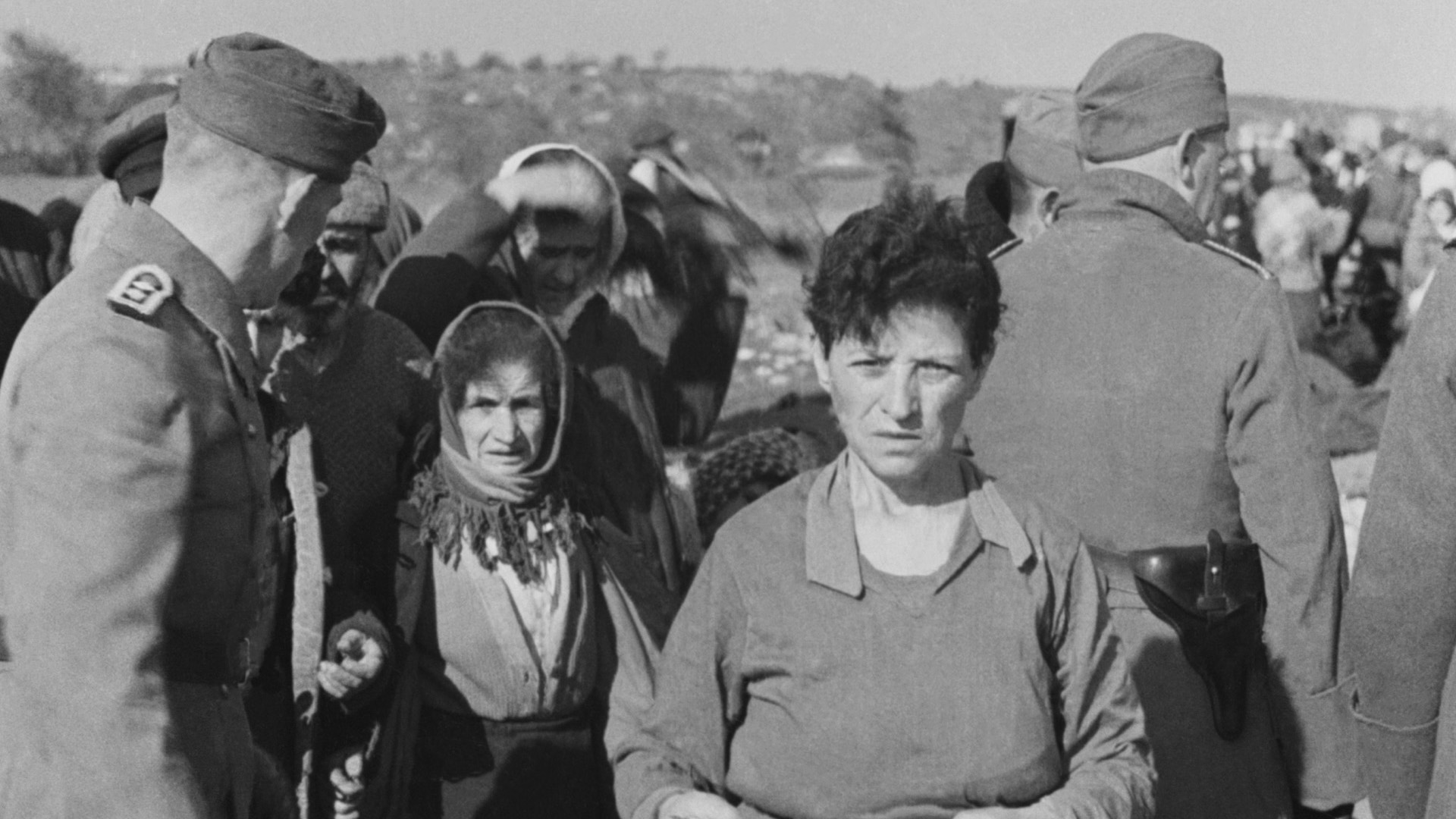
Following the invasion of Poland and later the Soviet Union, special units known as Einsatzgruppen operated in the wake of the German army. Acting under orders from the Reich Security Main Office (RSHA), these units carried out mass executions.
- Operation Unit A: over 135,000 victims in the Baltic region and surrounding areas.
- Operation Unit B: over 45,000 victims in Belorussia.
- Operation Unit C: over 75,000 victims in Ukraine, including approximately 33,000 in Kiev.
- Operation Unit D: approximately 54,000 victims.
- Additional operations (Aug–Nov 1942): approximately 363,000 victims.
These operations formed part of a systematic and coordinated effort to exterminate Jewish populations across occupied territories.
Further Charges
The indictment continues with fourteen additional counts, including:
- Crimes against humanity
- War crimes
- Mass deportations and forced labour
- Plunder of property
- Persecution on racial, religious and political grounds
- Membership of criminal organisations (SS, SD, Gestapo)
The charges describe a system in which deportation, exploitation, and extermination were interconnected and centrally directed.
Closing exchange
Presiding Judge: “Did you understand the indictment?”
Accused: “Yes, certainly.”
Defence counsel then raised objections concerning the impartiality of the court and the possibility of bias, reflecting the global significance and sensitivity of the proceedings.